
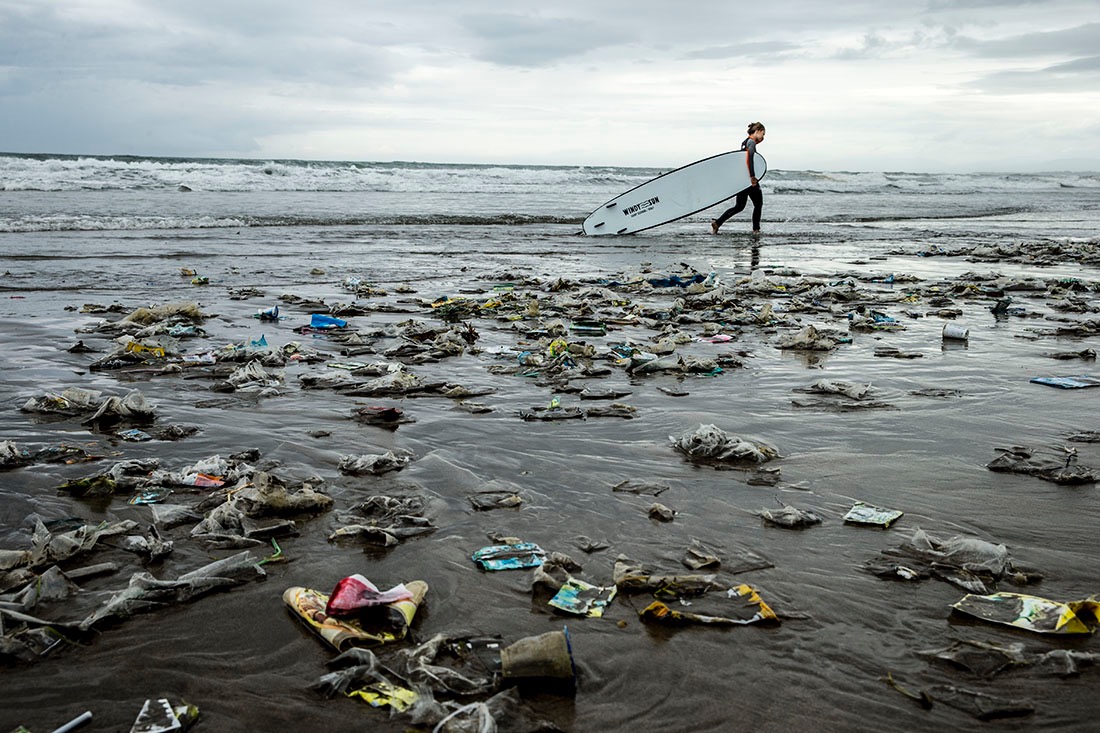
The story of iSuRRF began in Bali and grew into an operating system that supported Alila's Zero Waste to Landfill program across its four Bali properties. What began as a question about where hotel waste really went became something much larger: an experiment in property-scale waste transformation, circular economy practice, local value creation, organisational capability and the relationships required to make genuine sustainability work inside a real enterprise.
Long before terms such as circular economy, regenerative tourism, ESG and Net Zero became standard corporate language, the practical challenge was essentially the same:
How do you change the way an enterprise actually behaves?
What we eventually learnt was that machinery was only part of the answer. The real investment was in people, relationships, knowledge and capability. That lesson sits at the centre of iSuRRF™ 2026.
Facility → Operating System → Intelligence → Learning Organisation
Where it started
At the time, I was living in Umalas and regularly riding my motorbike north through Ubud to Payangan, often early in the morning or late in the evening. On those rides I repeatedly saw rubbish trucks dumping material in places it plainly did not belong: creeks, rivers, wetlands, rice paddies and roadsides. Some appeared to be servicing major hotels and resorts.
What struck me was the disconnect. Inside a five-star hotel, enormous effort went into architecture, service, food, landscaping and the guest experience. Yet once waste passed through the back gate, there was often very little visibility over what happened next. I doubted that many hotel owners, operators or guests really knew where that material ultimately ended up. That question stayed with me.
Some months later I met Piet van Zyl, then Group Director of Engineering for Alila Hotels & Resorts and, when in Bali, based at Alila Villas Uluwatu. I explained what I had been observing. Piet had been thinking about many of the same issues. We also discovered that we both approached the problem from a practical rather than purely environmental perspective.
I had previously worked with Guy Lane and Peter Kirkham in Townsville on the Carlyle Gardens retirement resort project, where civil and construction materials were processed on site rather than simply transported away for disposal. Piet brought complementary experience from Soneva Fushi, including earlier work around resource recovery and permaculture with Mark Garrett. The conversation quickly became less about conventional waste management and more about accountability. The question was simple:
Could a hotel genuinely take responsibility for the materials it generated, rather than simply paying somebody to remove them?
That became the foundation of iSuRRF.
First generation
iSuRRF 1.0: making Zero Waste operational
The original ambition was to make Alila Villas Uluwatu Zero Waste to Landfill and, if the approach worked, extend it across Alila's Bali portfolio. The first-generation iSuRRF — the Integrated Sustainable Resource Recovery Facility — was initially conceived largely as an engineering solution. Its most visible expression was physical infrastructure.
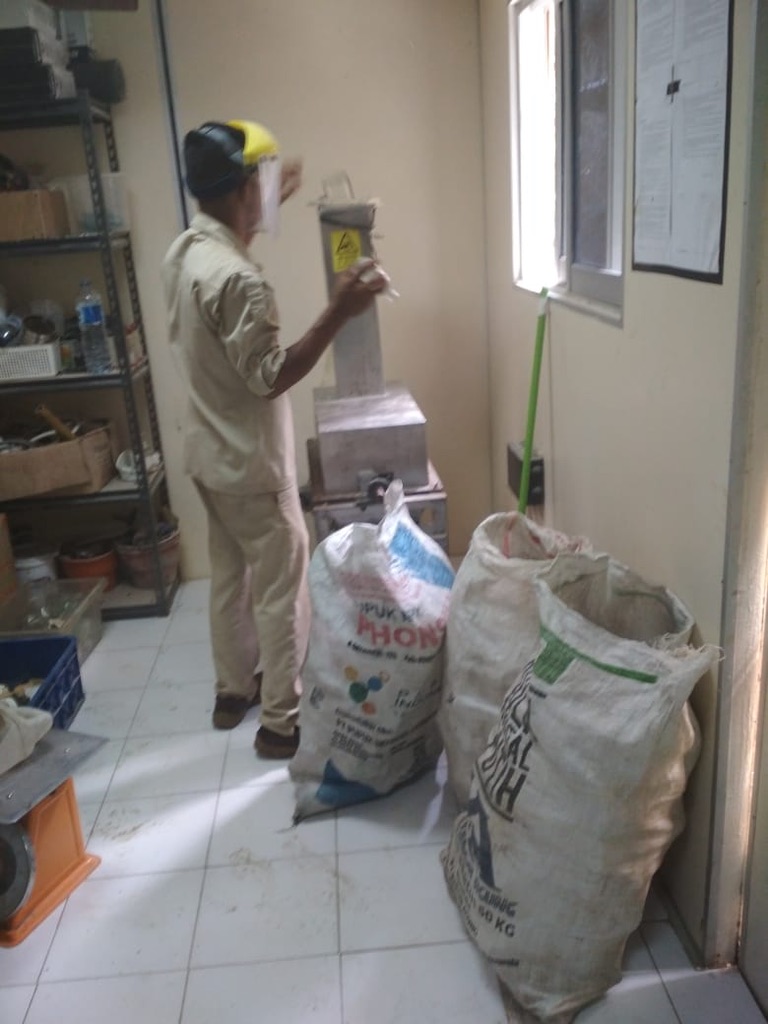
Modified shipping containers were adapted to create compact resource-recovery facilities. Around them sat sorting systems, material-handling infrastructure, biological treatment, mechanical processing and other technologies selected according to the material streams generated by each property. Different materials required different pathways.
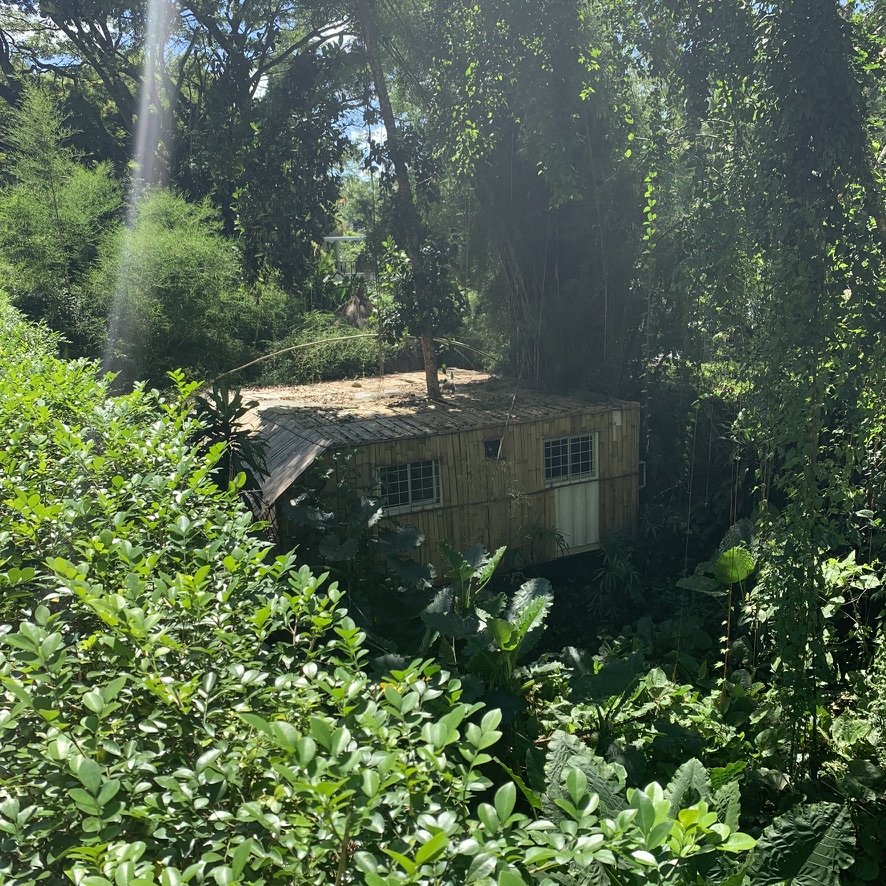
The objective was not simply to put waste into another bin. It was to understand: What is this material? What remaining value does it possess? What can it become?
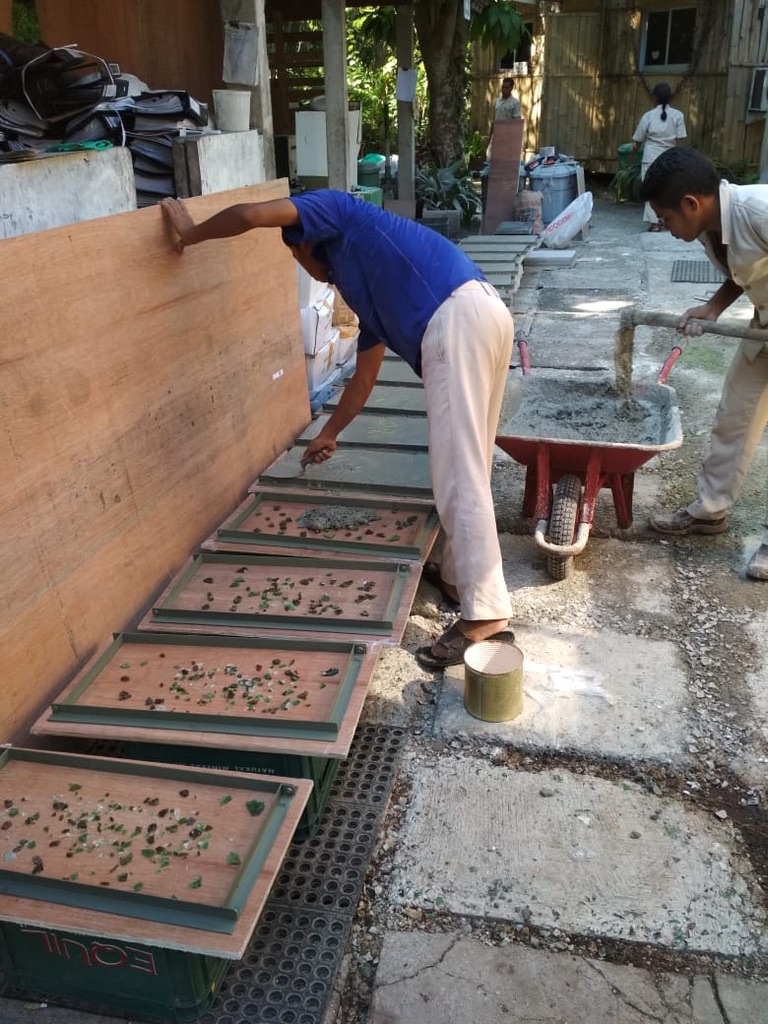
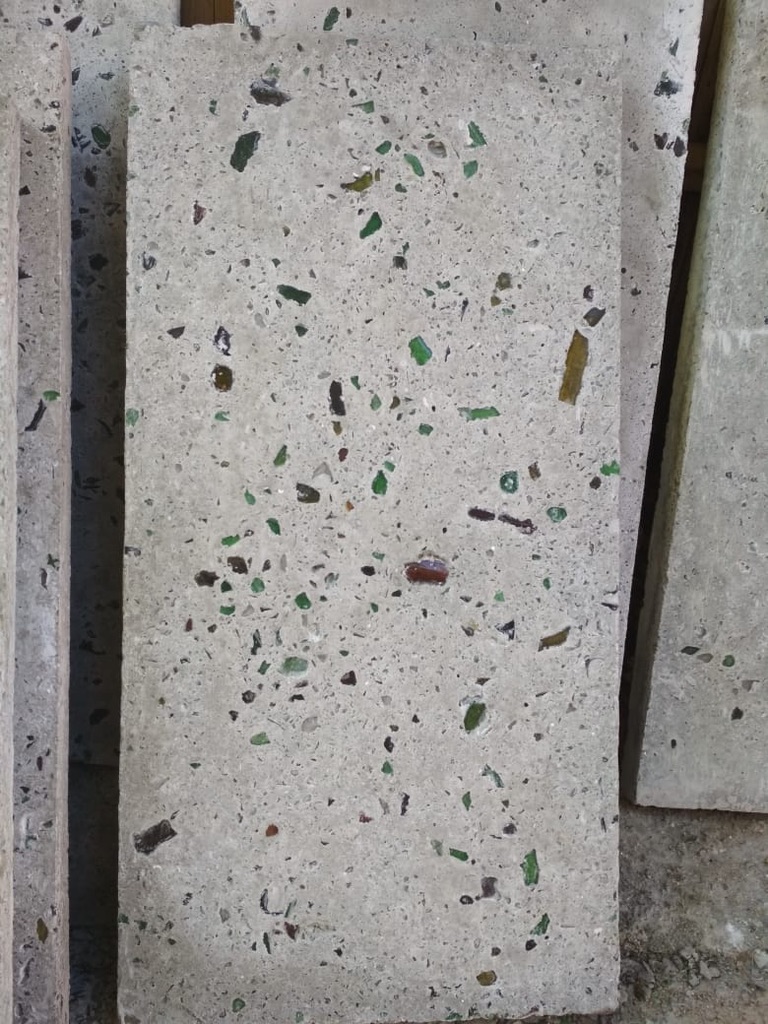
Where practical, material could be transformed at the property itself. Where that was not practical, it could be connected to credible local recovery and reuse pathways. The waste leaving a hotel could begin to have a lineage rather than merely a destination.
In today's language, much of what we were building would be described as a practical circular economy model. But the objective was never circularity as an abstract concept. It was to build a circular business model at property scale, connecting material flows, operating decisions, local partners and economic value in practice.
The machinery was not the real investment
Initially, it was easy to think the innovation was the equipment. The containers, the machinery and the processing technologies were all visible, and they mattered: they gave a Zero Waste to Landfill policy a physical mechanism for execution. But as iSuRRF developed, we learnt something more important.
The equipment was visible, but it was not the real investment.
The real investment was developing people. There was no established labour market of trained iSuRRF operators waiting to be hired. In many cases, we could not simply recruit the people we might ideally have selected. We had to work with the people available to us. We had to develop the people we were given.
That meant teaching people to identify materials, understand contamination, operate equipment, maintain systems, keep records, work safely and solve problems. But it went much further than technical training. People had to understand how their decisions affected the wider system.
A kitchen decision could determine the quality of an organic stream. A procurement decision could introduce a material that was extremely difficult to recover. A housekeeping practice could determine whether a material retained value or became residual waste. A sorting decision could affect the performance of a process downstream. People needed to understand not simply what to do, but why it mattered.
Over time, people developed confidence, judgement, specialist knowledge and leadership capability. Some became trainers. Some became specialists. Some became the connection between hotel departments, iSuRRF operations, local processors, farmers and communities.
One of the people who came to embody that capability was Pak ZAG. He became a key figure in the day-to-day reality of iSuRRF, not simply operating within the system, but helping make it work through practical knowledge, reliability, judgement and the confidence that developed through experience. In many ways, Pak ZAG became one of the clearest demonstrations of what we meant when we said the real investment was in people.
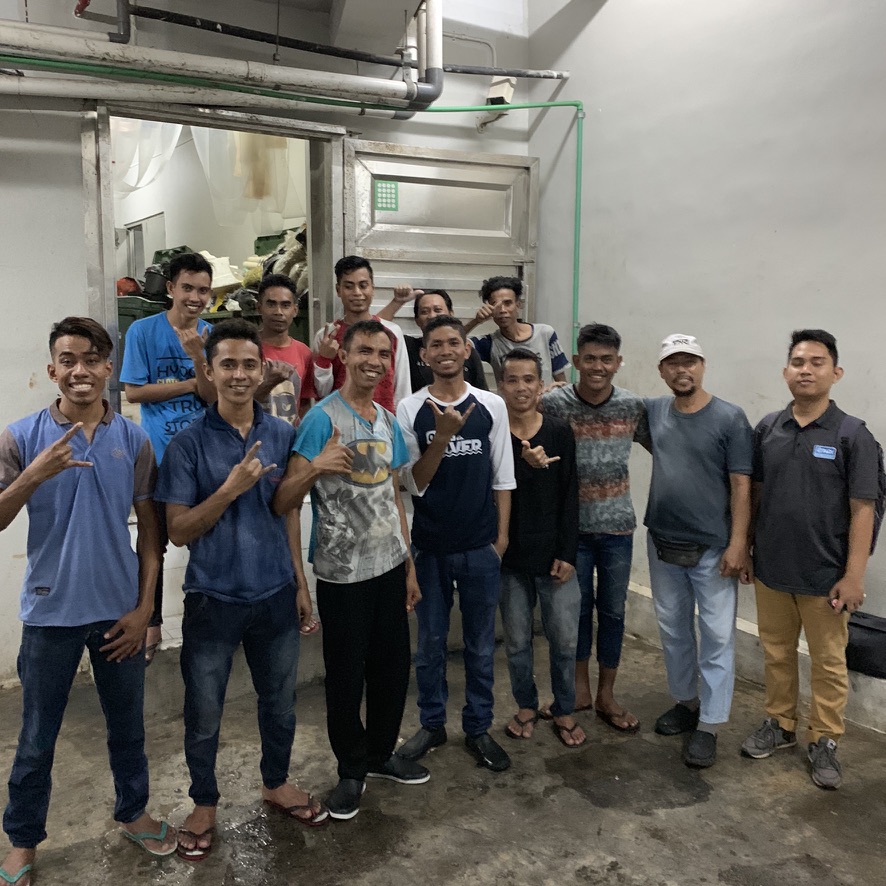
The machinery enabled the process. The enduring value sat in the people, the relationships between them and the capability they developed together.
Relationships were infrastructure too
Physical infrastructure was only one part of the system. Successful waste transformation depended just as heavily on relationships: between the recovery team and hotel management; between engineering and housekeeping; between kitchens and procurement; between operators and supervisors; and between suppliers, recyclers, farmers, communities and the people physically handling materials every day.
Trust mattered. Hotel departments needed confidence that material would be dealt with responsibly. Operators needed confidence that departments would separate material correctly. Management needed accurate information rather than optimistic reporting. Teams needed enough trust to identify problems openly, change practices and learn from failures.
Over time, iSuRRF became less about a collection of machines and more about building a community of capability around those machines. The technology could be bought. The equipment could be installed. The capability had to be developed. The relationships had to be earned. That became one of the defining lessons of iSuRRF 1.0:
Zero Waste cannot simply be installed. It has to be built socially as well as technically.
Realising the proposition within one enterprise
None of what followed was achieved by one or two people. That became one of the most important lessons of the entire journey. Even within a single hotel group, achieving Zero Waste to Landfill required an extraordinary density of organisational support. Leadership, engineering, property management, procurement, kitchens and housekeeping all mattered, as did finance, sustainability, contractors, local partners and the people physically handling materials every day.
At the broader organisational level, people including Mark and Mary Jane Edleson, Frédéric Flageta-Simon, Guy Heywood, Marco Groten and Mark Hoplamazian formed part of the wider leadership environment through which the proposition could be supported and allowed to develop. Kenneth Fong, then Group Director of Engineering for Two Roads Hospitality, became part of that broader engineering and organisational support as the work evolved. Gregory Stuppler of SURF Capital also contributed perspective from the wider investment and sustainable-property environment.
At individual properties, strategic support had to become practical. People such as Hemal Jain, Pierre Lang, Stefan Zijta and Stefan Zich, together with engineers, chefs, housekeepers, procurement staff, supervisors and many others, helped make the system work in practice. These names are illustrative rather than exhaustive. This is not intended as a who's who or a retrospective thank-you list. The point is more fundamental.
A senior executive could provide permission and sponsorship but could not separate material correctly in a kitchen. An engineer could solve a processing problem but could not determine what packaging procurement brought onto a property. The recovery team could transform material only if hotel departments understood and supported the system upstream. And none of it could operate sustainably without relationships of trust between the people involved.
It was not simply a facility installed beside a hotel. It was a whole-of-enterprise operating capability. Technology could enable transformation. Leadership could give it permission. But people had to make it real.
Waste transformation, not waste logistics
Another principle emerged just as strongly. We did not want to build a logistics business whose principal solution was transporting low-value waste increasingly long distances to somebody else's facility. Moving waste does not necessarily solve a waste problem; sometimes it simply moves the problem. The objective was waste transformation. The fundamental question became:
What can this material become, and how close to its point of generation can that transformation occur?
Where practical, materials should be understood, separated and transformed at property scale. Where that was not possible, the objective was to create the shortest credible local loop. That might connect a hotel with a farmer, recycler, local business, specialist processor, community enterprise, school, craftsperson or another legitimate user of a recovered material. The property was therefore not merely a waste generator; it could become an anchor within a local resource system.
The guiding sequence became:
Material first → pathway second → equipment third.
Equipment should be selected because it enables a credible transformation pathway. The equipment itself is not the product.
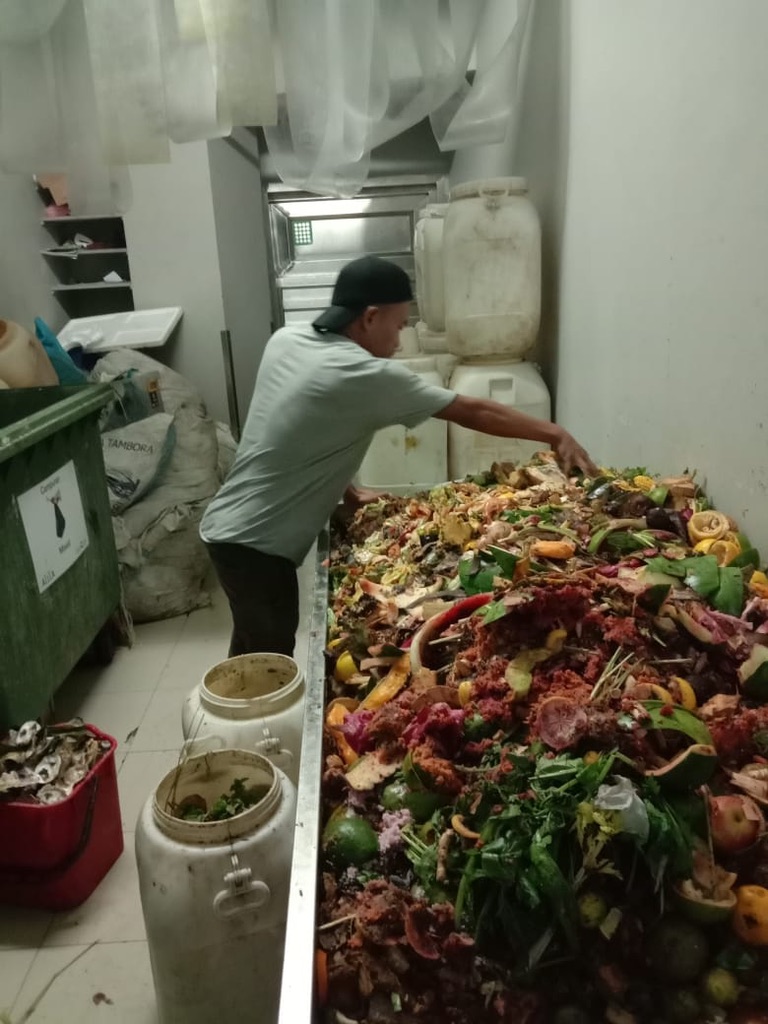
From conventional waste management to iSuRRF
| Conventional waste model | iSuRRF approach |
|---|---|
| Waste is something to remove | Material is something to understand |
| Destination first | Transformation pathway first |
| Centralised disposal | Property-scale capability and short local loops |
| Transport creates distance | Local transformation creates value |
| Equipment defines the solution | Material determines the pathway; pathway determines the equipment |
| Contractor takes the problem away | The property retains accountability |
| Community as recipient | Community as participant in a local value chain |
| Reporting after the event | Evidence generated through the operating process |
Paul Olivier and levels of transformation
The work of Paul Olivier was an important influence on this thinking. His approach to different levels of waste transformation reinforced a fundamental idea: biodegradable material should not be treated as one homogeneous waste stream requiring one universal solution. Different materials retain different forms and levels of value. Some may remain useful within food or feed systems. Others can be transformed biologically. Other lower-value biomass may ultimately be suited to thermal transformation pathways capable of producing useful energy or biochar.
The enduring lesson was not allegiance to one technology. It was:
Match the material to the highest practical transformation pathway available to it.
Waste is not a single stream. Transformation is not a single process. And Zero Waste cannot be achieved simply by purchasing one machine.
Property scale, short loops and local value
The property became the primary operating unit. That was where materials entered the system; where procurement decisions were made; where food was prepared; where rooms were serviced; where packaging was opened; and where materials became waste. Accountability therefore needed to begin there. Where practical, transformation could also occur there. Where it could not, the aim was to establish the shortest viable local pathway.
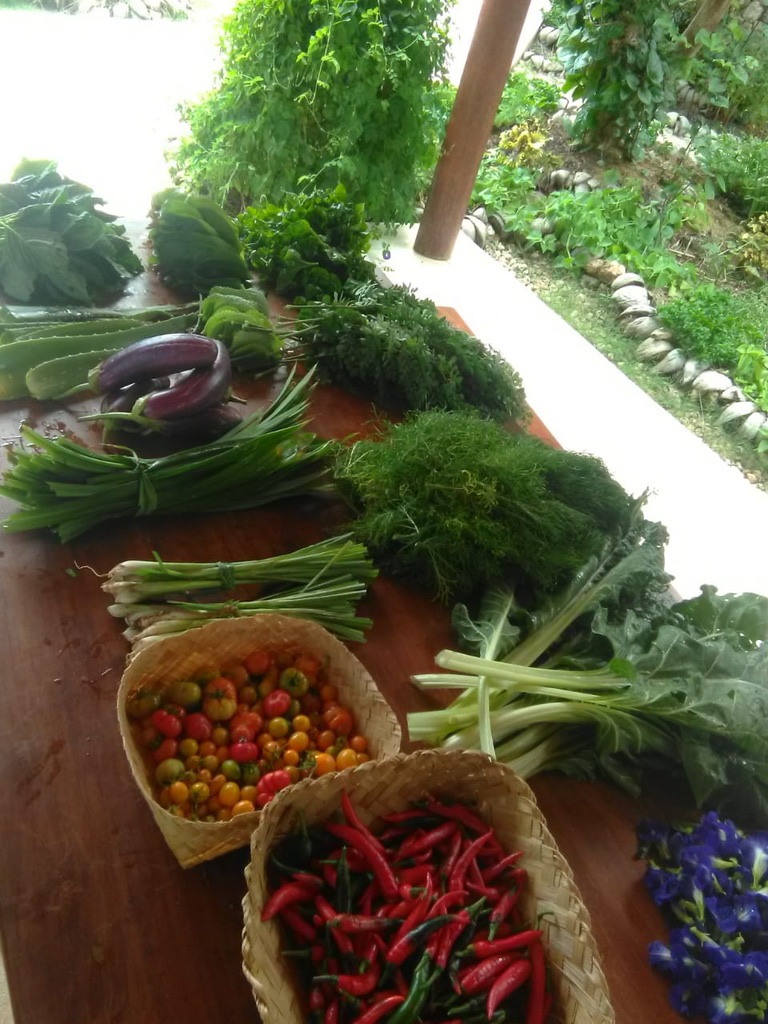
This opened opportunities to connect properties with farmers and growers, recyclers, specialist processors, craftspeople, community enterprises, social enterprises and other local businesses. Community relationships were not simply a philanthropic addition to the waste program. They could become part of its operating infrastructure. A recovered material has little value unless somebody can actually use it. Local value chains are ultimately built through relationships.
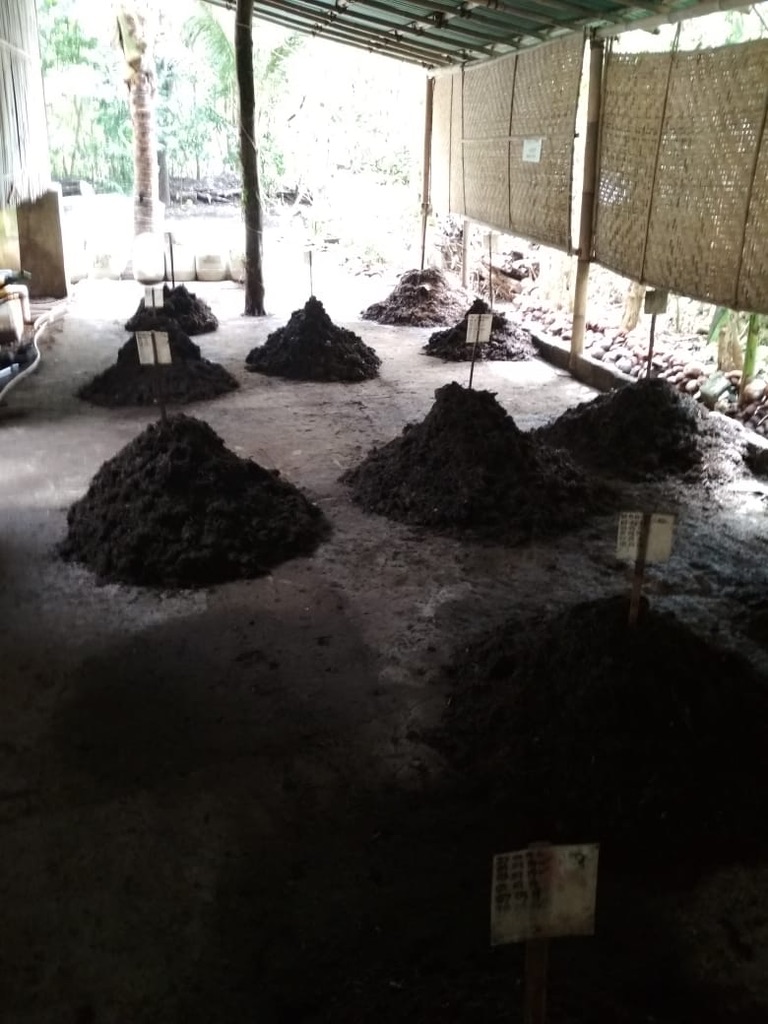
One principle that emerged was therefore:
Zero Waste works best when value circulates locally.
For hospitality, this also points toward the broader idea of regenerative tourism. A property should not merely seek to reduce its negative impacts. Where practical, its operations should strengthen the local systems around it by improving resource efficiency, supporting local enterprises, creating useful material outputs, developing people and circulating value within the surrounding community. That asks a more demanding question than conventional sustainability:
Not only: “How do we do less harm?”
But: “What useful capacity can this property help create?”
What Alila achieved
What was ultimately achieved was, in practical terms, extraordinary. Within a major international hospitality environment, Zero Waste to Landfill moved beyond policy language and into day-to-day operations. Physical infrastructure, property routines, material-transformation pathways, local relationships, management support and staff capability were brought together into a functioning system.
By early 2019, Alila had achieved its Zero Waste to Landfill objective across its four Bali properties: Alila Villas Uluwatu, Alila Seminyak, Alila Ubud and Alila Manggis. The achievement was independently documented at the time.
Together, those records matter. They show that what was being attempted was not simply a concept, sustainability aspiration or ESG narrative.
It was implemented.
The program demonstrated that an international hospitality organisation could materially change how it understood and managed waste streams across multiple properties. It required years of effort, and it required far more than machinery.
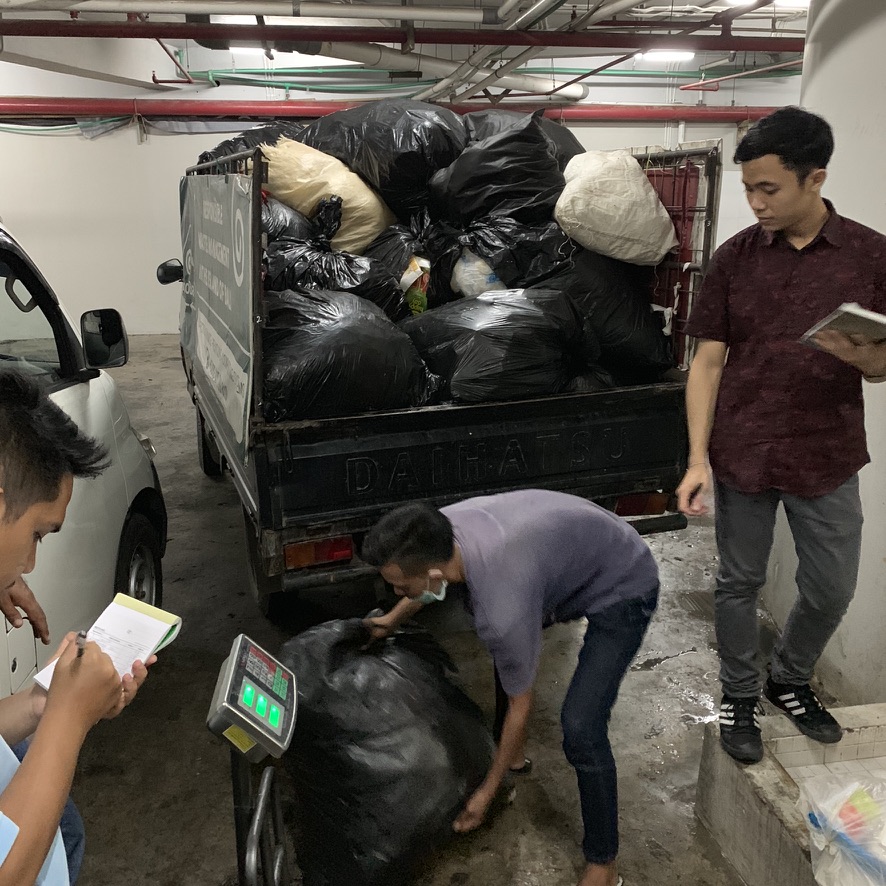
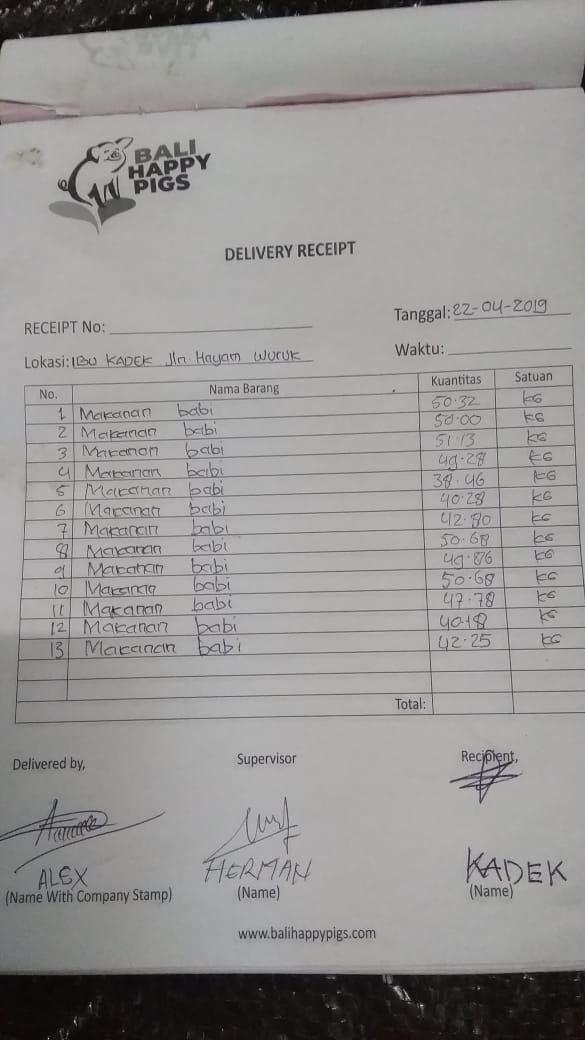
A wider historical archive — people, process, produce, production, fabrication, buildings, maintenance and paperwork — is on the photographic gallery.
Genuine sustainability: operations first, reporting second
The language of corporate sustainability has changed significantly since the first iSuRRF facilities were developed. Today organisations speak about ESG, circular economy, regenerative tourism, Net Zero, material circularity, resource efficiency and sustainable supply chains. Those frameworks can be useful, but they do not substitute for operating change.
A sustainability report cannot separate a contaminated material stream. An ESG target cannot redesign a procurement decision. A Net Zero commitment cannot, by itself, create a viable local reuse pathway. Credible reporting has to sit on top of credible operations. The iSuRRF philosophy can therefore be expressed simply:
Measurable operational change first. Reporting second.
The same principle applies to Net Zero. Whether the destination is Zero Waste, Net Zero or, where technically achievable, deeper Real Zero outcomes, the underlying physical systems still have to change. Materials have to be prevented, reused or transformed differently. Energy and resources have to be used more efficiently. Supply chains have to change. People have to change practices. And performance has to be evidenced.
iSuRRF sits within that operational layer. It is not an offset mechanism and it does not manufacture sustainability claims. Its purpose is to help properties change physical material flows and produce the evidence from which credible circular economy, ESG and sustainability claims can follow. That is what we mean by genuine sustainability.
What was lost
Unfortunately, much of the capability that had been created was subsequently lost. The failure of the former business group interrupted the organisational structures, relationships and commercial continuity that had supported the work. Then came COVID-19. The pandemic created an extraordinary disruption to global hospitality and an especially profound one in Bali.
People moved on. Teams dispersed. Properties faced completely different priorities. Operating routines were interrupted. Relationships that had taken years to build weakened or disappeared. Knowledge accumulated through years of practical experience left with the people who carried it.
What was lost was not simply equipment or a corporate structure. It was a substantial body of human capability, operating knowledge, relationships and institutional memory.
In hindsight, this exposed a weakness in the original system. Much of its intelligence lived in people's heads. It existed in relationships. It existed in practical judgement developed through experience. That made the system powerful. It also made parts of it fragile. If capability takes years to create, it should not disappear simply because a company fails, a team changes or the world experiences an external shock. That lesson became central to what came next.
Interlude
2020: an interruption
The former corporate group through which the original iSuRRF activities had been delivered entered liquidation in 2020. Development and commercialisation of iSuRRF then ceased for an extended period while consequential legal, commercial and reputational matters were addressed. A 2020 settlement structure separately contemplated the future development of a Zero Waste venture.
The years that followed created considerable distance from the former operating businesses. More importantly, they created perspective. Rather than immediately trying to recreate what had existed, there was an opportunity to reconsider the proposition from first principles. The question became:
If iSuRRF were designed again today, knowing what we learnt the first time, what should it become?
The answer was not to recreate the old facilities. It was not to recreate the former corporate group. And it was not simply to put software around waste-processing machinery. It was to build around the things that had proved most valuable: people, relationships, knowledge, evidence, local value chains and organisational capability.
Second generation
iSuRRF™ 2026: a circular Zero Waste operating system
iSuRRF™ 2026 is a newly developed product and venture built from those lessons. Physical transformation remains important. Equipment remains important. But equipment is no longer the centre of the proposition. iSuRRF is now conceived as a property-scale circular economy and Zero Waste operating system for hospitality. Its role is to help a property understand the materials passing through it, prevent unnecessary waste, identify useful transformation pathways, operate short local loops, develop people, preserve knowledge and build evidence around what actually happens.
The digital layer supports the physical and human system. It does not replace it. The continuous operating loop is:
Understand → Prevent → Separate → Transform → Reuse → Reconcile → Learn → Improve
The 2026 product incorporates:
- field capture of weights, photographs and source information
- material lineage through sorting, transformation, inventory, dispatch and residual pathways
- mass-balance reconciliation
- evidence and provenance
- continuous operational commissioning
- procurement and menu signals
- intervention tracking
- evidence-gated sustainability claims
- assurance and trust packs
- multi-property portfolio intelligence
- training and operational knowledge
- institutional memory
- integration with OneNetwork for evidence, provenance and reusable IntelligenceObjects
The objective is not simply better reporting. It is to build an operating environment in which people can understand the material system they are working within, create local value and continually improve it. The technology records, connects and strengthens human capability. It does not replace the people and relationships that make Zero Waste possible.
Making knowledge durable — and developing learning organisations
Perhaps the most important difference in iSuRRF™ 2026 is that knowledge no longer has to disappear when people leave. The objective is not to remove human judgement. It is the opposite: to make human judgement more valuable by allowing what people learn to become part of the organisation's durable intelligence.
A failed intervention can be remembered. A successful transformation pathway can be replicated. A recurring contamination problem can be recognised. A procurement decision can be connected to its downstream material consequences. A new employee can inherit operating knowledge rather than starting from zero. A portfolio can learn from individual properties.
The system can remember.
In this way, iSuRRF helps develop learning organisations. The aim is not simply to record what happened. It is to create an operating environment in which people and properties continually learn from observations, interventions, outcomes and one another. Knowledge generated through day-to-day work becomes reusable. Lessons move across departments. Experience at one property informs another. Operational mistakes become institutional learning instead of being repeatedly rediscovered. Successful practices can be transferred, adapted and improved.
That creates a different kind of organisational capability. A property becomes capable not simply of implementing a Zero Waste program, but of:
learning how to become better at Zero Waste over time.
At portfolio scale, that matters even more. One property's experience can become another property's starting point. A solution developed in Bali may not transfer directly to Singapore, Sydney or another market. But the evidence, reasoning and learning behind it can. This is the difference between collecting data and building a learning organisation.
The organisation does not just know more. It gets better at learning.
From information to a learning organisation
| From | To |
|---|---|
| Individual experience | Organisational knowledge |
| Problems repeatedly rediscovered | Lessons remembered |
| Training from scratch | Training from accumulated evidence |
| Property-by-property learning | Portfolio learning |
| Static procedures | Continuous commissioning |
| Data collection | Reusable intelligence |
| Reporting what happened | Learning what to do next |
That is one reason iSuRRF™ 2026 is being developed on OneNetwork. The technology is not the objective. The objective is to make collective capability more durable, transferable and capable of continuous learning. iSuRRF is therefore not only a Zero Waste operating system. It is also a mechanism for developing learning organisations around sustainability, circularity and resource transformation.
From ESG commitments to evidence
This changes the relationship between operations and ESG. Sustainability information has traditionally travelled upward through an organisation as periodic reporting. iSuRRF starts further down. It begins with the material.
- What was generated?
- Where did it come from?
- Could it have been prevented?
- How was it separated?
- What happened to it?
- What did it become?
- Who received the output?
- What evidence supports that pathway?
- Did an intervention improve the result?
- What did the organisation learn?
- What should change next?
Only then should that information flow upward into portfolio reporting, ESG disclosure, sustainability claims, circular economy reporting or wider Net Zero strategies. That architecture helps close two important gaps: the gap between what an organisation says and what physically occurred; and the gap between what an organisation experiences and what it remembers. Both are essential to genuine sustainability.
iSuRRF 1.0 and iSuRRF™ 2026
| iSuRRF 1.0 | iSuRRF™ 2026 |
|---|---|
| Physical resource-recovery facility | Physical and digital Zero Waste operating system |
| Modified shipping containers and processing equipment | Property-led platform with fit-for-purpose infrastructure selected for each pathway |
| Equipment-centred implementation | Material first → pathway second → equipment third |
| Waste-management orientation | Waste-transformation and circular-economy orientation |
| Site-level records | Continuous observations, evidence and provenance |
| Material separation | Material lineage and short-loop pathways |
| Manual reconciliation | Digital mass-balance reconciliation |
| Waste reporting | Continuous commissioning and operational improvement |
| Individual operating knowledge | Shared organisational intelligence |
| Knowledge held largely by experienced individuals | Durable institutional memory |
| Training through experience | Training supported by captured knowledge and evidence |
| Individual property capability | Transferable portfolio capability |
| Sustainability reporting | Evidence-gated claims and assurance |
| Local knowledge | Local knowledge connected through community partnerships and local value chains |
| Waste diversion | Circularity, resource efficiency and transformation |
| Logistics used to remove material | Property-scale transformation and shortest viable local loops |
| Environmental program | Circular business model and regenerative-tourism capability |
| Teams learn locally | Learning organisation: observations → interventions → outcomes → reusable learning |
| Periodic management information | Persistent operating intelligence |
| Zero Waste objective | Zero Waste operating capability supporting wider ESG, Net Zero and genuine sustainability strategies |
The difference is not that the physical world has disappeared. It is that physical work can now be connected to a persistent intelligence and learning layer. The progression is:
Facility → Operating System → Intelligence → Learning Organisation
What continues
The underlying philosophy remains remarkably consistent with the original iSuRRF. Waste should be understood and measured at source. Unnecessary material should be prevented before it enters the system. Materials should remain at their highest practical value for as long as possible. Transformation should occur at property scale where practical. Where it cannot, the shortest credible local loop should be preferred.
Recovered outputs should connect into useful local value chains. Communities and local enterprises should be participants in the value created. Organisations should remain accountable for what happens to their materials rather than assuming responsibility ends when a truck leaves the property. Capability should be developed in people rather than assumed to exist. Organisations should learn from what they do rather than repeatedly rediscovering the same lessons. And sustainability should ultimately be judged by what changes in the real world, not merely by what appears in a report.
What is new
iSuRRF™ 2026 is a newly developed product. Its software, digital architecture, material-lineage system, commissioning framework, evidence model, claims methodology, portfolio intelligence and OneNetwork integration have been newly developed. The purpose is not to recreate the former operating businesses. It is to apply the lessons learnt from the first generation to a new technological, organisational and commercial environment.
The 2026 venture does not purport to acquire, assume or appropriate any asset, liability, contract or proprietary right belonging to any former IDPM Group entity or company in liquidation. References to the earlier iSuRRF acknowledge the historical origin and development lineage of the concept. For further information on product identity and corporate distinction, see the Legal Notice.
The lesson that endured
When we began, we thought we were building facilities. Then we thought we were building a waste-management system. What we were actually building was capability: capability in people, in organisations, in relationships, to understand materials, to learn, and to turn what had previously been regarded as waste into something useful.
The original iSuRRF demonstrated how difficult that was. It also demonstrated that it could be done. What happened afterwards demonstrated how easily hard-won knowledge, relationships and organisational capability can be lost. iSuRRF™ 2026 brings those two lessons together.
The direction of travel is from waste disposal to transformation; from linear consumption to circularity; from sustainability reporting to genuine sustainability; from static organisations to learning organisations; and from commitments such as Net Zero toward deeper operational change and, where technically achievable, Real Zero outcomes.
But the underlying lesson remains unchanged:
Zero Waste is not achieved by a machine.
It is achieved by people who understand the system, trust one another, have permission to act, possess the capability to solve problems and continuously learn how to make the system better. The purpose of iSuRRF™ 2026 is to help them do that — and to make sure that what they learn does not have to be built from scratch all over again.
Nigel Grier
Founder, iSuRRF™
Next step
See where your hotel stands
Take the journey score enquiry, or read the legal notice on product identity.